
Background
Fences cut across historic migratory routes. HUNDREDS OF THOUSANDS OF ANIMALS HAVE DIED along these routes because they couldn’t get access to seasonal grazing and fresh water. Our area was once home to pioneer farms and ranches - the REMNANTS of which can be seen in open spaces, recreation areas, land trust holdings, undeveloped rural areas and even in residential neighborhoods. When abandoned, obsolete fencing often lays fallen from their posts, twisted and tangled on the ground, creating PERFECT TRAPS for thousands of WILD ANIMALS, as you will see in these shocking photos.
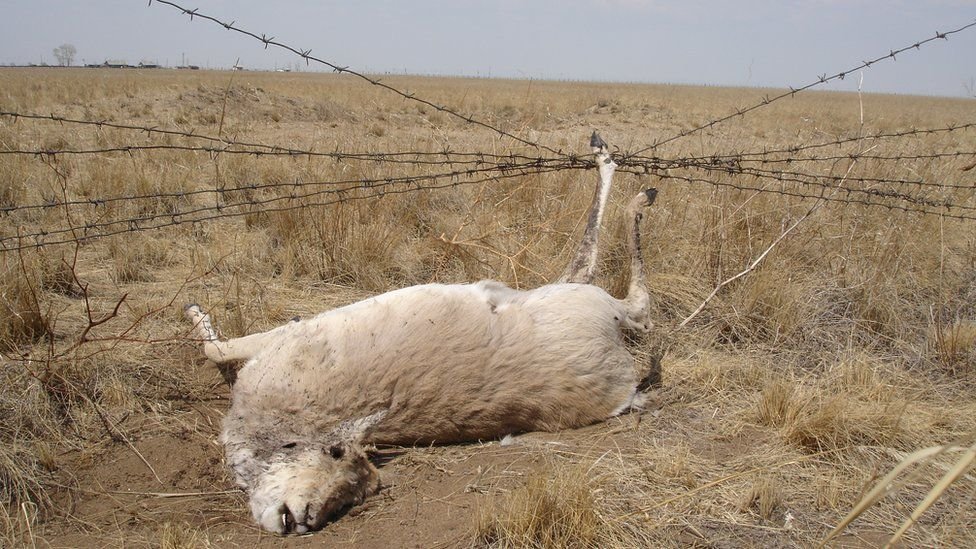


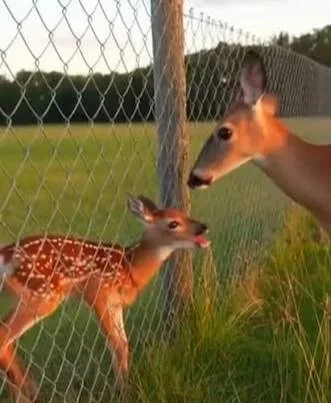
Another, often unrecognized, “NAIL IN THE COFFIN” to the success of wildlife survival is SEPARATION of animal families. Unable to keep up with their Mothers, fawns will often curl up and die of exposure and dehydration. In Placer County, a local fawn rescue group rescues an average of 200 FAWNS PER YEAR!
The SPREADING HUMAN POPULATION and the historic human demand for fencing has created a grid of obstacles leaving the only remaining corridors for wildlife as CREEKS and ROADWAYS. We’ve all seen the horrific consequences to wild animals lying dead along roadways, especially where water courses cross the roads.
